
Pack and go — why not with your home as well?
PackPrefab Homes logo
0%

Choosing the best China-made Accessory Dwelling Unit ADU requires more than comparing factory prices. It means examining construction quality, energy performance, documentation, transport, installation, and local approval requirements. A polished showroom can hide weak insulation or unclear warranty terms. The U.S. Department of Energy identifies buildings as a major source of energy use, making wall assemblies, windows, ventilation, and heating systems practical decision points. They affect comfort every day.

Industry research also shows why ADUs attract attention. Freddie Mac’s ADU research describes growing demand for smaller, flexible housing, especially where land and home prices remain high. Harvard Joint Center for Housing Studies reports continuing affordability pressure across U.S. housing markets. These trends create an opportunity for China-made units, particularly when factories offer standardized production and controlled assembly. However, factory efficiency is not proof of suitability. It is only a starting advantage.

The best supplier should provide verifiable material specifications, structural calculations, moisture-control details, fire-safety documentation, and a clear maintenance plan. Ask for test records, not only attractive photographs. Check whether the design can meet the destination jurisdiction’s building, electrical, plumbing, and accessibility requirements. Standards such as ISO 9001 may indicate process control, but certification does not guarantee a complete, code-approved ADU. That distinction matters.

Cost remains important, but the cheapest unit may become expensive after shipping, foundation work, utility connections, and modifications. Sometimes, the “best” model is not the most advanced one. It may be the simplest unit with reliable components and honest technical support. Buyers should compare delivered performance, not factory promises. This article examines the strongest China-made Accessory Dwelling Unit ADU options through that practical, evidence-led lens. The conclusion may be less certain than expected—and that is useful.
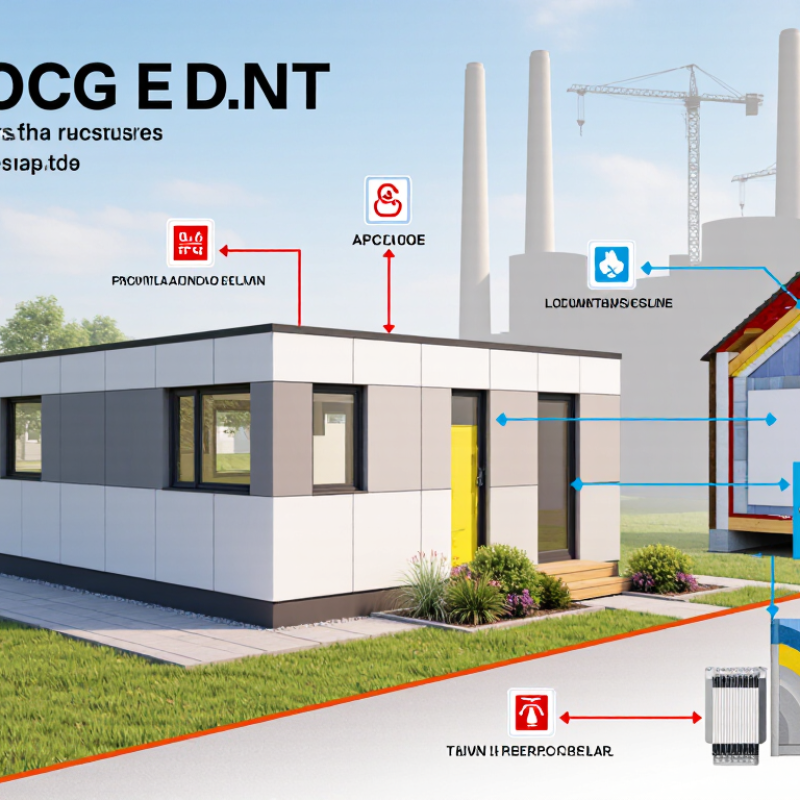
What Is the Best China Made Accessory Dwelling Unit ADU?

Understanding China-Made Accessory Dwelling Units and Their Main Types

What Is the Best China Made Accessory Dwelling Unit ADU?

China-made accessory dwelling units are available in several practical forms. Modular units arrive as factory-built sections and usually offer better space planning. Flat-pack units ship efficiently, then require assembly on site. Expandable units use folding walls and can create more interior space after delivery. Container-inspired designs often feature steel frames, large windows, and a strong industrial appearance. Each type suits a different project, climate, and transport route.

A good ADU should match local planning rules, foundation conditions, insulation needs, and utility requirements. Factory production can improve consistency, especially when workers follow approved drawings and documented quality checks. Buyers should request structural calculations, material specifications, electrical diagrams, and water-resistance details. These documents help local professionals review the unit before installation. In my assessment, the cheapest quotation is rarely the best value. Freight, crane access, foundation work, and interior finishing can change the final cost. Small details matter. Door placement, ceiling height, and bathroom ventilation affect daily comfort. Some advertised layouts look impressive but feel narrow in real use. That deserves honest reflection.

Tips: Compare complete delivered costs, not only the factory price. Confirm insulation performance for your climate. Ask how replacement parts are handled. Use an independent inspector during production and installation. Request a sample wall section or detailed photographs before payment. Also, allow time for corrections. Perfect drawings do not guarantee perfect assembly.

Key Factors for Evaluating Quality, Design, Cost, and Safety

What Is the Best China Made Accessory Dwelling Unit ADU?

The best China-made ADU is not simply the cheapest model. Quality begins with clear material specifications, factory inspection records, and repeatable production methods. Look for strong frame connections, even welds, sealed windows, and moisture-resistant wall systems. Details matter. Ask for photos from several production stages, not only polished showroom images.

Design should match the intended site and climate. A coastal unit needs corrosion protection, while a cold region requires effective insulation and careful vapor control. Check ceiling height, ventilation, plumbing access, and delivery dimensions before ordering. A compact layout may look efficient, but difficult maintenance spaces can create long-term frustration. I would measure furniture and appliance paths twice. Small planning mistakes become expensive after installation.

Cost evaluation must include transport, unloading, foundation work, utility connections, local inspections, and interior finishing. The factory price is only one line on the budget. Cheap is rarely cheap. Safety deserves independent attention. Confirm structural calculations for local wind, snow, seismic, and fire conditions. Electrical components should have suitable testing documents, and installation instructions must be clear enough for qualified local professionals. A warranty is useful, but traceable quality records and responsive technical support matter more. One weakness in many evaluations is trusting documents without checking the actual unit. A pre-shipment inspection can reveal loose fittings, damaged seals, or inconsistent finishes before the ADU leaves the factory.

What Is the Best China-Made Accessory Dwelling Unit (ADU)?

Key factors for evaluating quality, design, cost, and safety

The benchmark gives the greatest weight to safety and build quality because structural integrity, fire protection, electrical systems, moisture control, and code compliance directly affect long-term usability. Design and cost should be assessed only after confirming that the unit can meet the applicable local building, zoning, transport, and installation requirements. This is a practical evaluation framework, not a ranking of companies or brands.

Reference framework: California Department of Housing and Community Development, ADU Handbook; International Code Council, International Residential Code; U.S. Department of Energy, Zero Energy Ready Home and building-envelope guidance.

Comparing Materials, Manufacturing Standards, and Customization Options

What Is the Best China Made Accessory Dwelling Unit ADU?

Choosing a China-made ADU requires more than comparing floor plans and prices. Material selection affects comfort, maintenance, transport, and service life. Galvanized steel frames provide strong structural support and resist many moisture-related problems. However, poor coatings can still lead to corrosion at cut edges and connection points. Aluminum cladding is lightweight, but it may dent more easily than fiber-cement panels. Insulated sandwich panels can improve installation speed, yet their fire rating and core composition require careful verification. Details matter.

Manufacturing standards should be confirmed through drawings, inspection records, and tested components. Ask for welding procedures, dimensional tolerances, insulation values, electrical specifications, and moisture-control details. Factory quality systems can reduce errors, but certificates alone do not guarantee consistent production. A pre-shipment inspection should check door alignment, sealant joints, window operation, plumbing connections, and hidden damage. Small defects become expensive after installation. Local building requirements still control the final approval, even when the unit was manufactured overseas.

Customization is often the strongest advantage of this housing format. Buyers can adjust room layouts, window sizes, exterior finishes, insulation thickness, kitchens, bathrooms, and mechanical systems. Custom changes should be frozen before production begins. Late revisions create confusion. In practice, attractive renderings sometimes hide difficult maintenance access or weak thermal detailing. I would request a full assembly drawing and a physical sample when possible. A cheaper material may perform well, but only when its testing, installation, and maintenance requirements are understood.

Assessing Transport, Installation, Utilities, Permits, and Local Regulations

What Is the Best China Made Accessory Dwelling Unit ADU?

A China-made ADU is only “best” after transport, installation, utilities, permits, and local rules are checked. Factory drawings do not automatically satisfy local building codes. The 2024 International Residential Code includes ADU provisions, but each city or state may adopt different requirements. Confirm zoning, setbacks, height limits, fire separation, parking, and foundation details before ordering. A local designer should review the plans, not just the overseas supplier’s engineer.

Transport creates practical risks. A module may need port handling, inland trucking, route surveys, escorts, and temporary road closures. Oversize-load permits differ by jurisdiction under U.S. transportation rules. Customs clearance also requires accurate invoices, product descriptions, and structural documentation. I once assumed a compact module would fit any residential street. That assumption was too simple. Turning radius, overhead wires, soft shoulders, and crane access can change the budget quickly.

Utilities deserve equal attention. Electrical service may require a panel upgrade or transformer review. Water and sewer connections depend on local capacity, trench depth, and inspection schedules. The U.S. Energy Information Administration’s 2020 Residential Energy Consumption Survey found space heating used about 42% of household energy, while water heating used about 19%. Insulation, windows, heat pumps, and ventilation therefore affect operating costs. Factory specifications can look impressive. Local performance still matters more. Get written approvals for the foundation, utility connections, energy compliance, and final inspection before shipment.

What Is the Best China Made Accessory Dwelling Unit ADU? - Assessing Transport, Installation, Utilities, Permits, and Local Regulations

Comparative planning data for common China-manufactured ADU delivery formats. Actual requirements, costs, and approval times depend on the project location.

Assessment Dimension Flat-Pack / Panelized ADU Volumetric Modular ADU Container-Based ADU Practical Evaluation
Typical finished floor area Approximately 20–80 m² (215–860 ft²), depending on the panel system and local design. Approximately 20–100 m² (215–1,075 ft²); larger units may require multiple modules. Approximately 14–60 m² (150–645 ft²), usually using one or more standard containers. Confirm that the proposed floor area, setbacks, lot coverage, and height comply with the local ADU ordinance.
International transport Panels and components can usually be packed into standard shipping containers; efficient for ocean freight. Factory-built rooms require careful loading and may need special handling, wide-load routing, or oversize permits after import. Uses established container-shipping dimensions; a standard container is about 40 ft long, 8 ft wide, and 8 ft 6 in high externally. Flat-pack systems generally offer the greatest transport flexibility. Request a packing list, gross weight, and container loading plan.
Domestic delivery to the site Typically delivered by container truck, then unloaded and assembled on site. May require a permitted heavy-haul truck, route survey, crane access, and temporary removal of obstacles. Usually delivered by chassis truck; narrow roads, overhead lines, bridges, and turning radii must be checked. Obtain a site-access survey before ordering. Delivery access can be more restrictive than the building footprint.
Installation equipment Often needs a telehandler, forklift, or small crane, depending on panel weight and roof design. Usually requires a crane sized for the module weight, lift radius, and site conditions. Normally requires a crane or specialized container placement truck for final positioning. The lifting plan should be prepared by a qualified contractor and coordinated with utility shutoff and access requirements.
On-site installation time Physical assembly may take several days to several weeks, followed by trade work and inspections. Module placement can occur in one day, but connections, weatherproofing, stairs, decks, and inspections commonly take additional time. Placement may occur in one day; insulation, interior finishing, utility connections, and code corrections can extend the schedule. A short placement time does not equal a short project. Plan separately for foundation, utilities, inspections, and final occupancy approval.
Foundation requirements May use a slab, crawlspace, piers, or another locally engineered foundation, subject to soil and frost conditions. Requires a foundation designed for concentrated module loads, anchorage, seismic conditions, and local frost depth. Requires engineered supports or a foundation; container corner loads and corrosion protection must be addressed. A local structural engineer should verify soil bearing capacity, wind, snow, seismic, drainage, and anchorage requirements.
Electrical service Common planning range: 60–100 amp subpanel, subject to heating, cooking, laundry, and local electrical load calculations. Common planning range: 60–125 amp service or feeder, subject to the adopted electrical code and equipment schedule. Common planning range: 60–100 amp service; electrical separation and metal-enclosure grounding require careful review. A licensed local electrician must confirm feeder size, disconnects, grounding, panel location, and utility-company requirements.
Water and wastewater Can connect to municipal water and sewer or use approved private well and septic systems. Factory plumbing stub-outs can reduce site work, but final connections must match local pipe sizes, cleanouts, valves, and testing rules. Plumbing penetrations need corrosion protection, freeze protection, insulation, and approved access for maintenance. Verify utility capacity, backflow protection, sewer elevation, septic setbacks, and whether separate meters are required.
Heating, cooling, and ventilation Mini-split heat pumps are commonly practical; equipment must be sized for the local climate and building envelope. Factory-installed systems may simplify assembly, but refrigerant lines, condensate drainage, and commissioning remain site responsibilities. Metal shells can create thermal-bridging and condensation risks without continuous insulation and well-sealed penetrations. Require local heating-load calculations, ventilation compliance, energy documentation, and equipment certification accepted by the jurisdiction.
Permit package Usually needs site plan, architectural drawings, structural details, energy documents, foundation design, and trade plans. May need third-party engineering, factory inspection records, transport details, module connections, and local code review. Requires structural, fire, energy, plumbing, electrical, and foundation documentation; the container origin does not remove permit obligations. Do not rely on marketing claims such as “permit-free” or “code-ready.” The authority having jurisdiction makes the final determination.
Code and certification risk Moderate; components must be documented for the destination country and adapted to local construction requirements. Moderate to high; factory construction does not automatically equal approval under the local residential building code. High if modifications, fire separation, insulation, egress, or electrical equipment lack acceptable documentation. Confirm whether the jurisdiction accepts foreign test reports, listing marks, engineering stamps, and factory quality records.
Fire, egress, and life safety Windows, doors, smoke alarms, carbon-monoxide alarms, fire separation, and emergency escape openings must meet local rules. Module joints, rated wall assemblies, concealed spaces, and fire stopping require detailed review. Metal construction does not by itself satisfy fire-resistance, egress, or interior-finish requirements. Use locally reviewed door, window, alarm, and fire-separation specifications rather than relying only on factory drawings.
Planning and zoning review Usually easier to adjust to site setbacks and height limits because panels are assembled on site. Transportation width and module dimensions may conflict with narrow setbacks, height limits, or access easements. Container placement, appearance, foundation type, and use classification may receive additional local scrutiny. Check zoning, ADU size limits, owner-occupancy rules, parking, historic districts, wildfire zones, flood zones, and HOA restrictions.
Best fit for Sites with restricted road access, custom layouts, or a preference for minimizing oversize transport. Sites with good truck and crane access where rapid structural placement and factory-controlled assembly are priorities. Small, simple layouts where the local authority accepts the proposed structure and the site can receive container delivery. For many projects, a well-documented panelized system provides the best balance of transport flexibility and local adaptability.
Recommended pre-order checks Local code review; structural calculations; material specifications; packing list; warranty terms; installation manual; replacement-part plan. Stamped drawings; module weights and lift points; route survey; crane plan; connection details; inspection records; weatherproofing warranty. Container condition report; corrosion treatment; insulation design; structural modification calculations; egress and fire documentation. Obtain written confirmation from the building department, utility providers, licensed trades, transporter, and foundation engineer before placing a non-refundable order.
Planning conclusion: For a typical China-made ADU, a panelized or flat-pack design is often the most adaptable option when transport access, local permitting, and site-specific utility connections are major concerns. A volumetric modular unit can be faster to place on an accessible site, while a container-based unit requires especially careful review of insulation, corrosion, structural alterations, egress, and local code acceptance.

Note: The figures above are planning ranges rather than quotations or legal determinations. Building codes, zoning rules, utility standards, transport permits, taxes, duties, labor rates, and inspection procedures vary by country, state, province, city, and site.

Choosing the Best China-Made ADU for Different Housing Needs

What Is the Best China Made Accessory Dwelling Unit ADU?

Choosing the best China-made ADU starts with the resident, not the factory catalog. A compact unit may suit a backyard office, while a larger layout better serves a family member or long-term rental. Start with the use. Check sleeping space, kitchen storage, bathroom access, and daily movement before comparing prices.

A wheelchair user may need wider doors, level thresholds, and a turning area near the bathroom.

For cold regions, inspect insulation thickness, window performance, roof drainage, and heating capacity. In hot climates, cross-ventilation, shading, and reflective roofing deserve more attention.

Factory quality control should include weld checks, moisture protection, electrical testing, and documented material specifications. Ask for drawings and installation instructions, not only attractive photographs.

Measure twice. Transport dimensions can affect delivery costs and site access.

A reliable buyer also confirms local planning rules, foundation requirements, fire separation, utility connections, and professional inspections. These details vary by location, so imported construction does not replace local approval.

Experience shows that a low purchase price can lose its appeal after crane hire, site preparation, and upgrades. Some prefabricated units also require better ventilation than expected.

That is an easy detail to overlook.

A careful choice balances purpose, climate, accessibility, maintenance, delivery, and verified performance rather than appearance alone.

FAQS

What types of China-made ADUs are commonly available?

Common types include modular, flat-pack, expandable, and container-inspired units. Modular sections arrive partly finished. Flat-pack units need more on-site assembly. Expandable designs create extra room after delivery.

How should I choose the right ADU layout?

Start with the resident’s daily needs, not attractive photographs. Check sleeping space, kitchen storage, bathroom access, and walking paths. Measure door widths and ceiling heights carefully. Small rooms can feel surprisingly narrow.

What documents should I request before ordering?

Request structural calculations, material specifications, electrical diagrams, and water-resistance details. Ask for insulation data and installation instructions. Detailed photographs help reveal construction quality. Drawings are useful, but they are not proof of perfect assembly.

What local approvals may an ADU require?

Local authorities may review zoning, setbacks, height, fire separation, parking, foundations, and utilities. A local designer should check the plans before production. Imported construction does not replace local approval. Rules vary by location.

What transport issues can affect the final cost?

Transport may require port handling, inland trucking, route surveys, and crane access. Check turning space, overhead wires, road width, and soft shoulders. A compact unit may still need special delivery planning. My earlier assumption was too simple.

How do climate and insulation affect ADU performance?

Cold climates need strong insulation, efficient windows, roof drainage, and suitable heating. Hot climates benefit from shading, cross-ventilation, and reflective roofing. Heating and water heating can greatly influence energy costs. Local performance matters more than factory claims.

What utility details should I confirm?

Confirm electrical capacity, panel requirements, water connections, sewer access, trench depth, and inspection timing. Utility upgrades may require extra work or equipment. Get written approvals before shipment. This step is easy to underestimate.

How can I reduce quality and installation risks?

Use an independent inspector during production and installation. Request a sample wall section or detailed construction photographs. Check welds, moisture protection, electrical systems, and material records. Allow time for corrections. Perfect plans do not guarantee perfect results.

Conclusion

Choosing the best China-made Accessory Dwelling Unit ADU requires more than comparing prices. Buyers should first understand the main types, including modular, prefab, container-style, and fully customized units, then evaluate structural quality, insulation, ventilation, fire safety, durability, and overall design. Important comparisons include the materials used, manufacturing standards, factory quality controls, interior layouts, energy-efficiency features, and available customization options.

A successful purchase also depends on practical planning. Buyers should confirm shipping dimensions, transportation costs, foundation requirements, installation procedures, utility connections, and after-sales support before placing an order. Local zoning rules, building permits, safety codes, and property restrictions must be checked with the relevant authorities, as requirements vary by location. The ideal China-made ADU will match the intended purpose, whether it is guest accommodation, a home office, rental housing, or multigenerational living, while offering a reliable balance of quality, functionality, cost, safety, and compliance.

Evelyn

Evelyn

Evelyn is a skilled marketing professional with a deep understanding of the company’s products, services, and market positioning. Through a combination of industry knowledge, customer insight, and thoughtful communication, Evelyn helps translate complex product capabilities into clear, practical......