
A Flat Pack Container House can look simple in a brochure, yet the details determine how well it performs on site. Frame design, wall-panel insulation, roof drainage, and connection points all deserve close attention. A low quoted price may not include windows, flooring, electrical work, or delivery. Ask for an itemized specification, recent project photos, and clear warranty terms before comparing offers. Details matter.
This guide to 7 Best Flat Pack Container House Suppliers in 2026 introduces companies for buyers planning accommodation, offices, or other modular spaces. Supplier capabilities vary: some focus on standard layouts, while others offer more customization. Check whether drawings match the delivered unit, how components are packed, and what equipment is needed for assembly. Confirm production schedules and shipping estimates in writing, since both can change with project size and destination. If possible, speak with a previous customer or inspect a completed installation. Those checks take time, but can reveal gaps a polished catalog may hide.
The suppliers featured here are intended as a starting point, not a universal ranking. The right choice depends on climate, intended use, budget, and local project requirements. Compare like-for-like specifications rather than relying on headline prices alone. Even careful research has limits; a supplier’s performance on one project does not guarantee the same result on another.
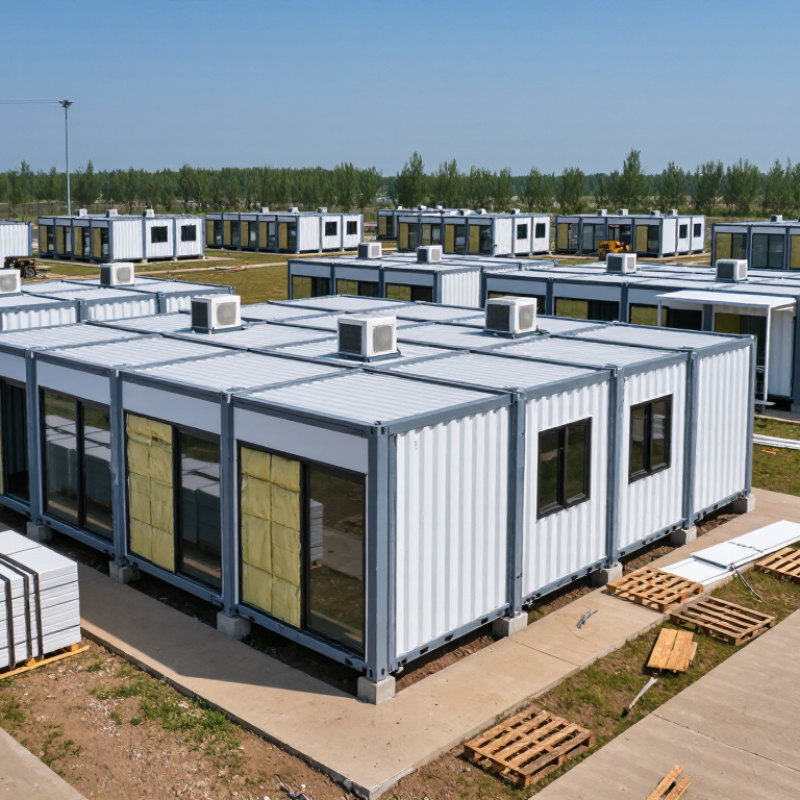
A flat pack container house is a building assembled from factory-made parts, shipped in compact bundles, and joined on site. It is not necessarily a used shipping container. Most systems use a steel frame with separate floor, wall, and roof panels. Workers connect these pieces with bolts or engineered joints, then seal openings and install services. Small details matter: a misaligned corner can complicate doors, windows, and weather seals.
McKinsey’s 2019 industry report, Modular construction: From projects to products, says modular methods can shorten construction schedules by 20–50%.
That figure describes potential across projects, not a guarantee for every home. Site preparation, transport, weather, and crew experience still affect the timeline. Not magic. A level foundation and accurate lifting plan are essential.
Before assembly, suppliers typically coordinate the structural layout, insulation, electrical routes, and plumbing openings. On site, crews position the floor frame, connect wall and roof sections, then check joints and seal exposed seams. Ask how the design manages condensation, thermal bridges, and water at roof edges. These can be hard to judge from polished drawings. A practical inspection should include fasteners, panel edges, and service penetrations, not just the finished room. The process is tidy in diagrams; real sites are less tidy.
When comparing flat pack container house suppliers in 2026, start with the project, not the brochure. Ask for drawings that show frame dimensions, connection details, floor capacity, and roof drainage. Then check whether the proposed unit suits your site’s wind, snow, and temperature conditions. A quotation without these assumptions is hard to compare fairly. Details matter.
Review material and quality records, including steel specifications, coating thickness, insulation data, and documented fire performance. Ask how production defects are checked and whether inspection photos or sample records are available. If possible, inspect a finished unit: look closely at door alignment, sealed corners, floor joints, and the feel of the fittings. Small gaps can become costly problems. Paperwork helps, but it cannot show every finishing flaw.
Compare the full delivered cost, not just the factory price. Include packing, freight, unloading, installation requirements, and replacement-part availability. Confirm the warranty period and exactly what it covers; vague promises are not enough. Ask for references from projects with similar climates or uses, then verify what those buyers actually experienced. One detail may still be missed, so leave room for an independent technical review before ordering. A cheaper offer can be sensible, but only when its specifications, exclusions, and support are clear.
A practical 2026 shortlist can examine seven supplier profiles: modular-housing factories, export-focused makers, rapid-deployment specialists, custom-design workshops, budget-oriented producers, high-insulation builders, and regional installation teams. Each serves different project needs. A factory may offer repeatable layouts, while a workshop may adapt door positions or room sizes. Ask for current drawings, delivery scope, and examples of completed projects. Details matter.
Compare the actual flat-pack kit, not just its exterior render. Check steel-frame specifications, panel thickness, insulation type, roof drainage, and connection details. Request a packing list and confirm which items arrive separately. A clear quote should distinguish the house package from foundations, transport, utilities, and on-site assembly. Those costs are easy to overlook.
Useful evidence includes dated project photos, installation instructions, and references you can contact. Ask how replacement panels are sourced and what happens when parts arrive damaged. A supplier’s response can reveal as much as its brochure. Still, no shortlist is perfect: photographs rarely show long-term wear, and a low price may exclude essential work. Verify claims against project requirements before choosing.
Choosing among the seven leading flat pack container house suppliers in 2026 means looking beyond catalog photos. Compare frame thickness, panel insulation, roof design, and connector details. Ask for drawings that show dimensions, door positions, and utility routes. Small details matter. A poorly placed outlet can complicate furniture layout, while thin floor panels may feel unstable under heavy equipment. Product specifications should be clear enough for independent review.
Customization can range from color and window placement to internal partitions, insulation, and plumbing provisions. Check which changes are standard and which require new tooling or longer lead times. Request a marked-up floor plan before approving production. A supplier’s flexibility sounds useful, but changes made late can create delays or unexpected costs. I would still question any quote that lists upgrades without describing their materials or limits.
Service matters before and after shipment. Compare response times, packing methods, assembly instructions, and the availability of replacement parts. Ask whether the supplier provides labeled components and step-by-step installation guidance. These details can save hours when panels arrive at a remote site. Delivery estimates deserve careful scrutiny, too; port handling and local transport may sit outside the quoted price. Paperwork is not exciting, but vague terms can leave buyers guessing.
Selecting a flat pack container house supplier starts with your project, not the brochure. List the number of units, intended use, site access, and expected service life. Then ask for drawings with exact dimensions, wall thicknesses, insulation values, and connection details. A clear specification makes competing quotes easier to compare.
Ask how the supplier checks materials and finished components. Request sample inspection records, packing lists, and references for projects with similar climates or uses. Details matter. Confirm what the price includes: foundations, doors, windows, electrical provisions, delivery, and on-site assembly may be priced separately. A low quote can still be suitable, but only when the exclusions are clear.
Check whether the proposed structure suits local wind, snow, and seismic conditions, and have a qualified professional review the design where needed. Ask about production lead time, replacement parts, warranty terms, and who responds if a panel arrives damaged. Ask for proof. One detail is easy to miss: container dimensions that fit a truck may still be difficult to unload at a narrow site. Share access photos and measurements before placing an order. Supplier answers can sound confident; written specifications are more useful.
Suggested project evaluation weights for comparing suppliers. These are planning guidelines, not market survey results.
Prioritize structural compliance and total installed cost, then compare customization, delivery time, warranty and after-sales support, and verifiable project references. Adjust the weights to match your location, budget, and project requirements.
It is a building shipped as compact, factory-made parts and assembled on site. Many use steel frames with separate floor, wall, and roof panels. Not necessarily a used container.
Crews position the floor frame, connect the walls and roof, then seal exposed seams. They also install services and check joints. Small misalignments can affect doors and weather seals.
Modular methods may reduce schedules by 20–50% across some projects. That is not a promise for every home. Site preparation, weather, transport, and crew experience still matter.
Confirm that the foundation is level and the lifting plan is accurate. Check local wind, snow, and temperature conditions against the design. Details matter.
Ask for drawings showing frame dimensions, connections, floor capacity, and roof drainage. Request steel, coating, insulation, and fire-performance records. Paperwork helps, but does not show every flaw.
Include packing, freight, unloading, installation, foundations, and replacement parts. Check what the warranty covers. A low factory price may leave important work out.
Look at door alignment, sealed corners, floor joints, panel edges, fasteners, and service openings. Ask about condensation and water at roof edges. I would still want an independent review.
Request dated project photos, installation instructions, and references from similar climates or uses. Ask how damaged parts are replaced. Photos rarely show long-term wear.
This guide explains what a Flat Pack Container House is, how its components are designed for transport and assembled on site, and what to consider when comparing suppliers in 2026. It outlines practical evaluation criteria, including product quality, structural options, customization capabilities, production and delivery timelines, technical support, and after-sales service. The goal is to help readers look beyond initial price and assess whether a supplier can meet the needs of a particular project.
The guide also compares seven notable suppliers by their product ranges, customization options, and services, highlighting the differences that may matter to buyers. It concludes with a straightforward selection process: define the intended use, site conditions, budget, and schedule; confirm which specifications and services are available; and compare proposals carefully. With a clear project brief and consistent criteria, buyers can make a more informed choice and identify a suitable solution for their requirements.