
Pack and go — why not with your home as well?
PackPrefab Homes logo
0%

Choosing an Insulated Foldable Container Home in 2026 takes more than comparing prices or counting insulation millimeters. The real test is how the complete unit performs after transport, unfolding, and repeated changes in outdoor temperature. A thick wall panel may look reassuring, yet poorly sealed joints can still let in drafts or moisture. Small details matter.

Dr. Joseph Lstiburek, a building-science expert, sums up an important principle: “Build tight, ventilate right.” For a foldable home, that means checking the wall, roof, floor, window, and folding-joint details as one connected system. Ask what insulation material is used, how thermal bridges are managed, and how fresh air enters the space. Request clear specifications and assembly instructions, not just a brochure photograph. If possible, inspect a completed unit and look closely at its corners and seals.

This guide explores those checks, along with comfort, durability, delivery, and practical costs. It also considers how the home will be used: a worksite cabin, a guest room, or a longer-term living space. A feature that suits occasional use may fall short in a cold, damp climate. And no specification guarantees a trouble-free home. That is worth remembering. Careful questions before purchase can reveal what a polished sales page leaves out.
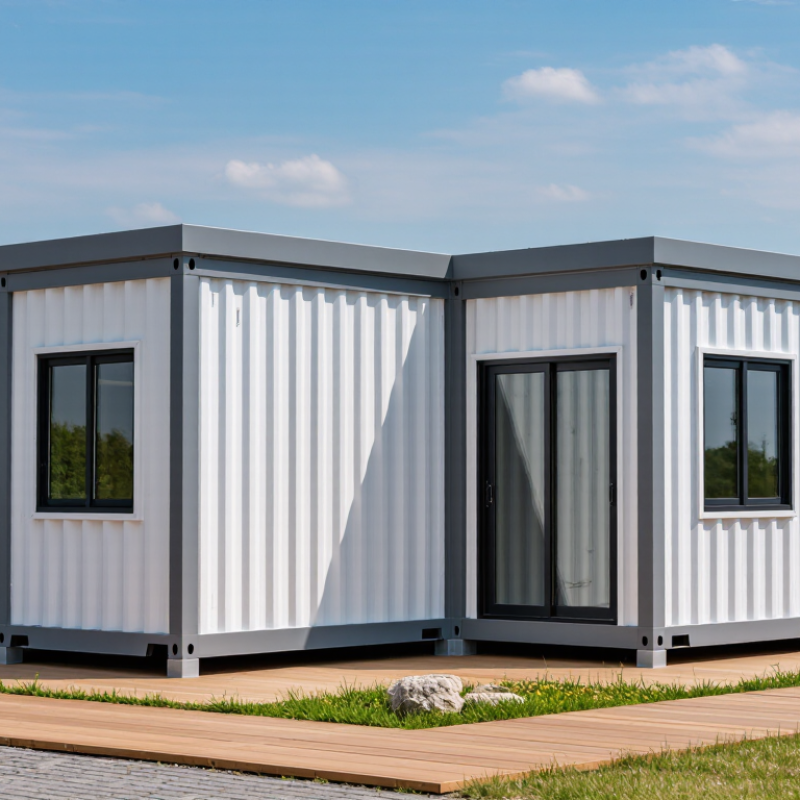
How to Choose an Insulated Foldable Container Home in 2026

Identify Your Space, Climate, and Use Requirements

Measure the site before comparing insulated foldable container homes. Record the usable floor area, door clearance, ceiling height, and access for delivery. A narrow driveway or low tree branch can affect placement. Note where the morning sun falls and whether rainwater collects near the intended foundation. Small details matter.

Climate should shape your insulation priorities. In cold regions, ask for documented thermal performance and inspect how the floor, roof, corners, and folding joints are insulated. In humid or hot areas, ventilation and condensation control matter just as much. Look for clear guidance on airflow, vapor management, and maintaining seals. A high insulation rating alone does not explain how the home performs when warm indoor air meets a cold surface. Easy to miss.

Think about daily use, not just the first night. A quiet office needs different lighting and electrical planning than a seasonal guest room. For regular living, consider storage, bathroom access, kitchen space, and how furniture will fit when the unit is unfolded. Ask how often it can be folded, what upkeep the seals require, and what the setup process involves. People often focus on insulation and overlook circulation space; a tape outline on the ground can reveal that mistake before delivery.

Compare Insulation Types, Ratings, and Thermal Performance

Choosing insulation for a foldable container home means looking beyond the material name. Fiberglass is light and affordable, but gaps can reduce its performance. Mineral wool resists fire and handles sound well, though it may add weight. EPS and XPS foam offer consistent boards; check their moisture ratings and how edges are sealed. Polyurethane or polyisocyanurate panels can provide strong insulation in limited wall space. Details matter.

Compare R-values, but check what they describe: a material, a panel, or the complete wall. Higher R-values generally mean greater resistance to heat flow. U-factors work in the opposite direction; lower values indicate less heat transfer. Ask for test conditions and thickness, since figures are not always directly comparable. A rating alone cannot show how a folded joint performs.

Inspect seams, corners, floor edges, and roof connections. These spots can create thermal bridges, letting heat pass around insulation. For foldable units, ask whether repeated setup compresses seals or shifts panels. Look for assembly-level test data, not just a brochure number. A small draft near a hinge can matter more than an impressive panel rating. I would also compare condensation control and ventilation, especially in humid climates. It is easy to focus on the headline R-value and miss the parts that move.

Assess Folding Design, Structure, and Weather Protection

How to Choose an Insulated Foldable Container Home in 2026

Assess the folding system before judging the floor plan. Open and close a sample unit, if possible, and inspect hinge pins, locking points, and seals. Look for even gaps around doors and windows; a small misalignment can become a draft after repeated folding. Ask for structural drawings and the rated wind and snow loads for your intended site. A compact design is not automatically a sturdy one.

Insulation needs measurable specifications. Compare R-values or U-factors, and check whether walls, roof, floor, and joints are all covered.

The 2023 Global Status Report for Buildings and Construction estimated that the sector used 34% of global energy and produced 37% of energy- and process-related CO2 emissions in 2022. Better thermal performance matters, though the report does not evaluate foldable homes specifically.

Ask how insulation and vapor control continue across folding seams. That detail is easy to miss.

Tips: Request a written assembly and maintenance guide. Check roof drainage, corrosion protection, window flashing, and anchor points. Ask how seals should be inspected after transport and seasonal temperature changes. Get the test conditions in writing, not just a claim of “weatherproof.” And inspect it in person. A little skepticism helps.

Check Building Codes, Safety Standards, and Installation Needs

Before comparing insulation thickness, check how your local building department classifies a foldable container home. It may be treated as a dwelling, temporary structure, or accessory building. Rules vary by location and intended use. Ask about permits, setbacks, occupancy limits, and required inspections. Get key requirements in writing. Small detail, big consequences.

Review safety requirements for fire resistance, emergency exits, electrical work, and plumbing before choosing a design. Ask for documentation showing which standards the structure and its insulation meet. A warm interior is not enough if moisture collects behind wall panels. Ask how the walls manage condensation, and inspect corners, joints, and window frames for thermal gaps. Cold corners matter.

Installation needs can affect both approval and performance. Confirm the site can support the home, including its weight, anchoring, and local wind or snow loads. Check delivery access, crane clearance, and space for folding and unfolding the unit. Plan utility connections and drainage before the crew arrives. A second site visit is worthwhile; drawings rarely show every uneven patch of ground. Leave time for questions, even if the checklist looks complete.

How to Choose an Insulated Foldable Container Home in 2026

Check building codes, safety standards, and installation needs before purchase.

The bars count the verification items in this planning checklist; they are not code scores or legal requirements. Confirm local rules with your building department. Checklist items include zoning and permits; wind, snow, or seismic design, anchoring, fire safety, and electrical compliance; insulation and moisture control; and foundation, site access, utility connections, and weather sealing.

Compare Total Costs, Warranty, and Long-Term Support

How to Choose an Insulated Foldable Container Home in 2026

Compare the full installed cost, not just the quoted unit price. Include transport, crane hire, foundations, utility connections, insulation upgrades, and local installation labor. Ask for an itemized quote. A low price can hide expensive site work. Check whether the warranty covers the structure, folding joints, insulation, windows, and water ingress separately. Ask who handles repairs, how quickly they respond, and whether replacement parts will remain available. Get support terms in writing.

Insulation affects long-term running costs, but advertised savings need context. The U.S. Department of Energy’s Energy Saver guidance says heating and cooling account for about half of a typical home’s energy use. ENERGY STAR estimates that air sealing and insulation can reduce heating and cooling costs by an average of 15%. These figures are not promises for a compact container home; climate, occupancy, and installation quality matter. Ask for insulation values and details on thermal bridges around steel framing, doors, and floor joints.

Compare warranty length with exclusions and claim procedures. Ask whether the supplier provides drawings, maintenance instructions, and access to replacement seals or panels. Check how corrosion protection is maintained after transport and assembly. Request references from owners in a similar climate. I would still treat projected savings cautiously. A small gap around a fold-out panel can undermine an otherwise impressive specification. Be specific. Get commitments on response times, service costs, and who pays for travel.

How to Choose an Insulated Foldable Container Home in 2026 - Compare Total Costs, Warranty, and Long-Term Support

Use this buyer’s comparison table to evaluate written proposals on the same basis. Costs, code requirements, warranty terms, and delivery conditions vary by location and supplier; confirm each item in the applicable quote and contract.

Comparison dimension What to request or verify How to compare proposals Why it matters over time
Delivered purchase cost Itemized unit price, included equipment, taxes or duties, delivery distance, unloading, and any site-access charges. Compare the same configuration and delivery point. Separate included items from optional upgrades and exclusions. A low unit price may not represent the amount required to get the home delivered and ready for installation.
Site and installation costs Foundation or support requirements, site preparation, crane or lifting equipment, assembly labor, and utility connections. Add each quoted site and installation cost to the delivered price. Obtain local estimates for work not included in the proposal. Ground conditions, access, local labor, and utility distances can materially affect the installed cost.
Total cost of ownership Purchase and delivery, site work, installation, permits, utilities, planned maintenance, repairs, and end-of-life removal or resale assumptions. Comparison formula: total cost over the chosen period = initial costs + operating and maintenance costs + repair costs − resale value, if applicable. Using the same ownership period and cost categories makes competing offers easier to compare fairly.
Insulation performance Insulation type and thickness by wall, roof, and floor; stated R-values or U-values; and documentation for the proposed assembly. Compare like-for-like components and units. R-value measures resistance to heat flow (higher is better); U-value measures heat transfer (lower is better). Insulation performance affects comfort and heating or cooling demand. Actual results also depend on air leakage, windows, doors, and installation quality.
Air sealing and thermal bridges Details for joints, fold lines, corners, steel framing, windows, doors, and penetrations; ask how seals are inspected after deployment. Request drawings or written construction details rather than relying only on a general statement such as “fully insulated.” Gaps and conductive paths can reduce real-world performance and contribute to drafts or condensation risk.
Moisture management Vapor-control approach, ventilation provisions, water-shedding details, and instructions for preventing condensation in the intended climate. Check that the proposed assembly and ventilation plan suit the intended use, occupancy, and local climate; seek qualified local review where required. Moisture problems can damage finishes and insulation and may lead to costly repairs.
Fold-and-deploy durability Documented deployment procedure, locking and sealing details, permitted relocation or folding frequency, and inspection requirements. Ask which components are designed to be reused during repeated folding and what must be checked or replaced after transport. Foldable features can add moving joints and seals that need inspection and maintenance.
Warranty coverage Written warranty duration and coverage for structure, coatings, insulation, windows, doors, electrical components, and workmanship. Compare each component separately. Check start date, exclusions, required maintenance, claim process, remedy, and whether coverage transfers to a new owner. A single headline warranty period may not apply equally to every component or type of defect.
Long-term support and parts Support contact method, service hours, response commitments, spare-parts availability, replacement-part identification, and technical documentation. Ask for these commitments in writing, including how support works after the initial installation and who handles local service. Clear support arrangements can reduce downtime and make repairs easier if a component is damaged or unavailable locally.
Permits and code suitability Available structural, fire, electrical, energy, and product documentation relevant to the destination and intended use. Confirm requirements with the local building authority or a qualified professional before ordering. Do not assume transportability means approval for occupancy. Approval requirements vary by jurisdiction, site, and use; missing documentation can delay installation or prevent approval.
Transport and future relocation Shipping dimensions and weight in transport configuration, loading method, route assumptions, and any disconnection or refolding work. Check the actual route, carrier requirements, and local transport rules. Request a separate estimate for a future move if relocation is important. Foldability does not eliminate transport, lifting, permitting, or reinstallation costs.
Proposal completeness Specification sheet, drawings, itemized quote, delivery scope, installation scope, warranty documents, and maintenance instructions. Mark each item as included, excluded, optional, or unconfirmed before comparing totals. A complete written scope helps prevent overlooked costs and makes later warranty or support discussions clearer.

Practical comparison rule: compare written, itemized proposals for the same intended use, insulation specification, delivery location, installation scope, and ownership period. Verify local approvals and obtain project-specific cost estimates before making a purchase.

FAQS

What should I inspect in a foldable container home?

Open and close the unit if possible. Check hinge pins, locking points, seals, and even gaps around doors and windows. Small misalignments can create drafts later.

How can I compare insulation performance?

Ask for R-values or U-factors for the walls, roof, floor, and joints. Check how insulation and vapor control continue across folding seams. That detail is easy to overlook.

What weather-protection details matter?

Inspect roof drainage, window flashing, corrosion protection, and anchor points. Ask for written test conditions, not just a “weatherproof” claim. Check the seals after transport.

Which structural details should I request?

Request structural drawings and rated wind and snow loads for your site. A compact shape does not guarantee strength. I would still inspect the unit in person.

What local requirements should I check?

Ask the local building department how it classifies the home. Confirm permit, setback, occupancy, and inspection requirements in writing. Rules vary by location and intended use.

What safety features need review?

Check documentation for fire resistance, emergency exits, electrical work, and plumbing. Also ask how the walls manage condensation. Cold corners matter.

What should I prepare before installation?

Confirm the ground can support the home and its anchors. Check delivery access, crane clearance, and room to unfold it. Plan utility connections and drainage early.

Why is another site visit useful?

Drawings may miss uneven ground or tight access. A second visit can reveal problems before the crew arrives. Check the actual space, not just the plan.

Conclusion

Choosing an Insulated Foldable Container Home in 2026 starts with understanding how much space you need, where the unit will be used, and what conditions it must handle. Consider the local climate, intended occupancy, and whether the home will serve as a temporary or long-term space. Then compare insulation materials and performance ratings, paying attention to how well each option can help maintain comfortable indoor temperatures and manage moisture.

A careful evaluation should also cover the folding design, structural stability, and protection from wind and rain. Confirm that the home’s design suits applicable building and safety requirements, and plan for site preparation, delivery, and installation. Finally, compare the full cost of ownership—not just the purchase price—including setup, maintenance, warranty coverage, and long-term support. Weighing these factors together can help you choose a practical, comfortable, and durable home that fits your needs and budget.

Clara

Clara

Clara is a dedicated marketing professional with a deep understanding of the company’s products, customers, and industry landscape. With a strong background in market research, content strategy, and customer communication, she transforms complex product information into clear, practical, and......