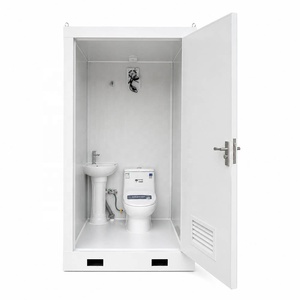
Prefabricated Modern Modular Luxury Portable Outdoor Toilet Sandwich Panel Construction
Eco Sandwich Panel
Rapid Deploy
Get a Quote

Engineered for rapid 4-in-1 container transport, tropical moisture resistance, and rapid on-site unfolding across Indonesian islands.
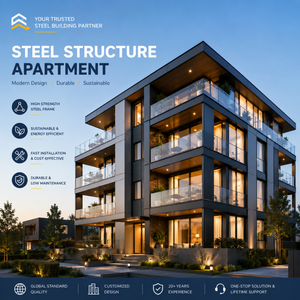
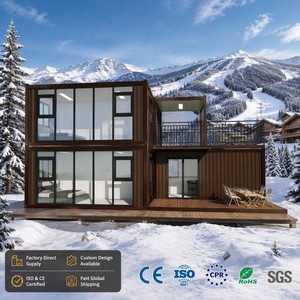
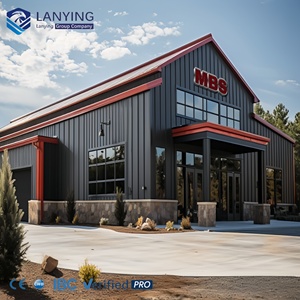
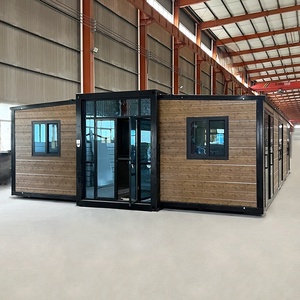
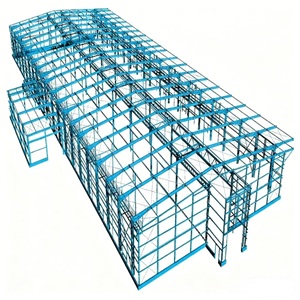
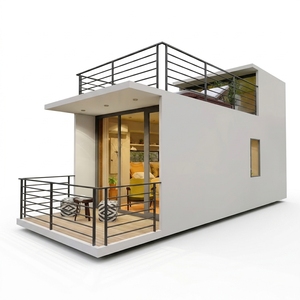
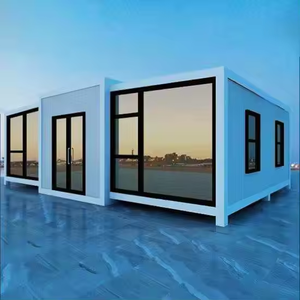
An in-depth analysis of expandable prefabricated housing architecture engineered specifically for the Indonesian archipelago's unique seismic, climatic, and geographical requirements.
Indonesia is undergoing unprecedented structural growth. Fueled by national mega-infrastructure projects such as the relocation of the capital city to IKN Nusantara in East Kalimantan, rapid expansion in nickel mining across Sulawesi and Maluku, and an explosion in eco-tourism across Bali, Lombok, and the Eastern Islands, traditional brick-and-mortar construction (Batako) is facing severe bottlenecks. Conventional construction methods in Indonesia are plagued by extended timelines, high shipping freight costs for raw materials to remote islands, labor shortages, and vulnerability to seismic events.
As a global pioneer in prefabricated modular architecture manufacturing since 1998, operating out of a 500,000 sq ft state-of-the-art facility, our factory delivers direct CE-certified, ISO 9001-compliant Expandable Prefab Homes engineered specifically for export to Indonesian sea ports (Tanjung Priok, Tanjung Perak, Port of Makassar, and Balikpapan). By folding three-in-one structures into standard ISO container dimensions, our patented structural systems reduce sea freight volume by up to 80%, allowing up to 4 complete folded units to fit inside a single 40ft High-Cube container.
Superior metallurgical standards, thermal dynamics, and structural longevity engineered for extreme tropical conditions.
Fabricated using heavy-gauge Q355B structural steel chassis with hot-dip galvanization coating (minimum 275g/m²). Sized specifically to absorb seismic vibrations (Zone 4+ active tectonic zones) common throughout Java, Sumatra, and Nusa Tenggara.
Outfitted with high-density Polyisocyanurate (PIR) or Polyurethane (PU) sandwich wall cassettes featuring zero-CFC blowing agents. Delivers thermal insulation U-values under 0.28 W/m²K, reducing air-conditioning power consumption in humid Indonesian coastal regions by over 40%.
All exposed frame components undergo multi-stage epoxy zinc-rich primer treatment and fluorocarbon topcoat finishing, resisting salt-spray degradation across island developments located within 500 meters of marine coastlines.
Pre-wired structural channels accommodating 220V/50Hz local standards, complete with flame-retardant PVC conduits, waterproof distribution boxes, and pre-tested sanitary plumbing lines built into expandable wet rooms for instant connection.
Every unit leaving our 500,000 sq ft production floor undergoes stringent dimensional squareness tolerance tests, hydraulic folding seal validation, and water-tightness tests mimicking 150 mm/hr tropical monsoon rain showers.
Chassis designed with standard corner casting block profiles (ISO 1161), allowing seamless crane hoisting onto inter-island barges, landing craft transport (LCT), and flatbed trucks servicing remote mine sites and resorts.
From luxury glamping in Bali to heavy industrial quarters in Kalimantan, our modular structures serve nationwide needs.
Developers in Bali and Nusa Penida face strict local building envelope laws (such as restrictions on permanent concrete foundation depth near beaches and cultural zones). Our Expandable Deluxe Villas offer premium architectural aesthetic finishes—such as wood-grain composite cladding, floor-to-ceiling double glass walls, and modern interior bath suites—delivering luxury guest quarters that deploy within 24 hours without land scarring.
Indonesia's nickel, bauxite, and coal extraction sectors demand rapid field workforce housing. Transporting wet construction materials to remote interior sites in East Kalimantan or Morowali is logistically cost-prohibitive. Our foldable container offices and expandable multi-room dormitories ship compactly by barge, unfolding on simple point-footings to accommodate hundreds of engineers with climate-controlled, pest-sealed sleeping quarters.
In high-density metropolitan zones like Jakarta, Bogor, Depok, Tangerang, and Bekasi, land cost constraints have spurred rapid growth in Accessory Dwelling Units (ADUs). Homeowners utilize our compact 20ft Expandable units and Flip Mini models to add rental studio apartments, home offices, or extended family units into existing backyard space without months of wet-construction mess.
Positioned along the Pacific Ring of Fire, Indonesia requires immediate emergency housing solutions when seismic events occur (e.g., West Java, Palu, Lombok). Pre-positioned stocks of expandable container units can be trucked into disaster zones and erected with standard hand tools by small four-person teams, providing secure, hygienic, insulated shelters for displaced families within hours.
Quantifiable performance metrics demonstrating why modular steel architecture delivers superior ROI for Indonesian developers.
| Evaluation Parameter | Expandable Prefab Home | Flat Pack Container | Traditional Masonry (Batako) |
|---|---|---|---|
| On-Site Assembly Speed | 1 Day (4-person crew) | 2–3 Days per unit | 3–6 Months average |
| Shipping Freight Efficiency | Up to 4 units / 40ft HC | 6–8 units / 40ft HC | Bulk shipping (High volume cost) |
| Seismic Resistance Rating | Magnitude 8.0+ (Flexible Frame) | Magnitude 8.0+ | Vulnerable to shear cracks (Mag 6.0+) |
| Foundation Requirement | Point Footing / Screw Piles | Concrete Piers | Full Continuous Concrete Slab |
| Termite & Mold Resistance | 100% Galvanized Steel & PU | 100% Galvanized Steel | High vulnerability (Timber roof trusses) |
| Thermal Insulation U-Value | 0.24 - 0.28 W/m²K | 0.35 W/m²K | 1.20 - 1.80 W/m²K (Poor) |
| Relocation Capability | 100% Re-foldable & Movable | Demountable with effort | 0% (Permanent land fixture) |
Direct technical answers regarding customs clearance, port delivery, foundation prep, and tropical weatherproofing.
Our units fold into standard container dimensions fitted with heavy-duty ISO corner castings. They ship via direct container freight lines to main Indonesian ports including Tanjung Priok (Jakarta), Tanjung Perak (Surabaya), Port of Makassar, and Balikpapan. Because four units fold into a single 40ft High-Cube container space, ocean freight costs per square meter of living space are reduced by up to 80%.
Our manufacturing facility holds full European CE Certification (EN 1090-1 structural steel execution and EN 13501-1 fire performance rating), along with ISO 9001:2015 Quality Management and ISO 14001 Environmental Management System certifications. We provide full mill test report (MTR) documentation, Certificate of Origin (Form E for ASEAN tariff preferences), and structural calculation sheets required by Indonesian customs expeditors.
Every unit features a patented dual-slope concealed guttering system integrated directly into the roof frame channels, directing water away from expandable roof hinges. Wall cassettes utilize closed-cell polyurethane (PU) or rockwool insulation wrapped in waterproof breathable membranes, preventing tropical moisture condensation, mold growth, and rust formation.
Unlike heavy traditional buildings, our lightweight steel-frame expandable homes do not require expensive full-poured concrete slabs. They can be placed on simple concrete corner pad footings, strip footings, or ground screw piles. This allows for fast installation on uneven terrain, sandy beach soil, or agricultural land with minimal ground excavation.
Yes. Many of our clients operating in remote Eastern Indonesia (Nusa Tenggara, Maluku, Papua) specify solar-ready electrical packages. We pre-wire roof structural points for solar PV panel rack mounts and supply integrated hybrid inverter conduit paths, allowing complete off-grid power generation and battery bank integration upon arrival.
Engineered with hot-dip galvanized structural chassis and high-grade anti-corrosion exterior coatings, our expandable homes have a designed structural lifespan of 30+ years. Routine maintenance involves inspecting silicone roof seals every 5 years and washing exterior powder-coated panels to prevent salt buildup in coastal regions.