Technical Whitepaper: CE Certified Site Cabins for the Colombian Engineering & Construction Sector
The Colombian construction, infrastructure, and natural resource sectors are undergoing a structural transformation. With major road infrastructure works (such as 4G and 5G highway corridors), expanding gold and copper mining operations in Antioquia and Santander, and petroleum exploration across the Llanos Orientales, the demand for high-durability, rapidly deployable modular infrastructure has reached an unprecedented peak. Buying standard, uncertified container units or relying on traditional masonry site offices creates critical liabilities in terms of structural safety, climate adaptation, compliance with local seismic codes (NSR-10), and international procurement standardizations.
As a global leader in modular prefabricated building technology manufacturing since 1998 in a single 500,000 square foot facility, our company engineers and delivers CE Certified Site Cabins specifically tuned for Colombia’s complex topography, varied microclimates, and stringent regulatory environments. This technical brief details the engineering parameters, localized environmental adaptations, logistics optimization, and compliance protocols that make our modular site cabins the preferred choice for primary EPC contractors, mining conglomerates, and government infrastructure projects throughout Colombia.
Technical Focus for Colombian Procurement Officers: CE Certification (EN 1090-1 structural steel execution and EN 13241-1 standards) provides official verification of structural weld integrity, load capacity calculations, and material quality assurance. In Colombia, CE-marked modular units guarantee compliance with international bidding specifications used by multinational engineering firms operating under FIDIC contracts.
1. Microclimate Engineering: Adapting Modular Site Cabins for Colombia’s Diverse Topography
Colombia presents one of the most geographically diverse and climatically demanding environments in South America. A single site cabin standard cannot perform reliably across Colombia’s distinct geographical regions without precise thermal, anti-corrosive, and structural adaptations:
- High-Altitude Andean Region (Bogotá, Tunja, Pasto): Operating at altitudes exceeding 2,600 meters above sea level involves severe diurnal temperature fluctuations (ranging from 2°C at night to 22°C during high-UV daytime exposure). Our cold-region site cabins utilize 75mm to 100mm high-density Polyurethane (PU) or Rockwool core sandwich panels with a thermal conductivity rating of U ≤ 0.024 W/m·K. Double-glazed argon-filled low-E window cassettes prevent interior thermal loss, while UV-stabilized exterior fluorocarbon coatings prevent paint degradation caused by high-altitude solar radiation.
- Humid Coastal & Maritime Zones (Cartagena, Barranquilla, Buenaventura, Santa Marta): Coastal site offices face relentless salt-spray exposure and relative atmospheric humidity exceeding 85%. Standard carbon steel structural frames suffer from aggressive rust penetration within 12 to 18 months. Our marine-grade site cabins feature hot-dip galvanized structural chassis frames (minimum 275 g/m² zinc coating) combined with C3 to C4 environmental class anti-corrosive polyurethane epoxy topcoats. Stainless steel fast-lock hinges, EPDM weather-sealing gaskets, and aluminum alloy window frames eliminate galvanic corrosion pathways.
- Tropical Rain Forest & Lowland Basins (Chocó, Amazonía, Orinoquía): Extreme rain precipitation (exceeding 4,000 mm annually in areas like Chocó) requires sophisticated drainage engineering. Our roofs feature integrated internal downspout channels concealed within four corner columns, capable of evacuating rainwater at rain intensities of up to 150 mm/hour. Closed-cell PIR panel insulation prevents moisture absorption, mold proliferation, and micro-bacterial decay.
2. Structural Dynamics: Alignment with Colombian NSR-10 Seismic Regulations & Wind Loading
Over 85% of Colombia's population and economic activity reside in areas of intermediate to high seismic hazard, governed by the Norma Sismo Resistente de 2010 (NSR-10). Modular site cabins deployed in regions like the Coffee Axis (Eje Cafetero), Santander (Bucaramanga region, one of the world's most active seismic zones), and the Pacific coastline must exhibit superior ductility and lateral drift tolerance.
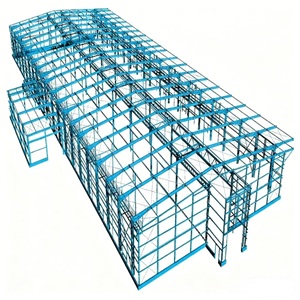
Our site cabin chassis are designed using cold-formed structural steel profiles (Q355B grade steel, yield strength ≥ 355 MPa) precision-welded via automated robotic systems. The cold-formed steel moment-resisting frame provides an intrinsically ductile structure capable of absorbing cyclic seismic vibrations without structural fracture. Finite Element Analysis (FEA) testing confirms our multi-cabin stacked configurations (up to 3 stories high) withstand horizontal ground accelerations ($A_a$) of up to 0.35g and wind velocity loads exceeding 130 km/h (compliant with ASCE 7-16 and NSR-10 basic wind speed charts for Caribbean coastal zones).
3. Technical Comparison: CE Certified Site Cabins vs. Conventional Local Alternatives
To assist procurement directors and project engineers in evaluating ROI and risk exposure, the technical specification matrix below compares our factory-built CE Certified site cabins against traditional on-site masonry construction and uncertified modified shipping containers commonly sourced locally in Colombia:
| Engineering Parameter |
CE Certified Factory Cabin |
Uncertified Local Container |
Traditional On-Site Masonry |
| Structural Frame Steel Grade |
Q355B / Q235B Galvanized Steel Certified |
Recycled / Mixed Scrap Steel |
Rebar Concrete Column |
| Seismic Response (NSR-10) |
Ductile Frame, Peak Accel. >0.35g |
Rigid, Risk of Weld Shearing |
Brittle, High Crack Susceptibility |
| Thermal Insulation Rating |
U-value: 0.22 - 0.28 W/m²K (PU/Rockwool) |
U-value: 1.2 - 2.5 W/m²K (Uninsulated) |
U-value: 1.8 - 3.0 W/m²K (Brick) |
| Deploy Speed (4-Person Crew) |
3 to 4 Hours per Unit |
1 to 2 Days (Crane required) |
4 to 8 Weeks |
| Ocean Logistics Efficiency |
80% Savings (4 Folded Units / 40ft HC) |
1 Unit per Shipping Container |
N/A (Raw Materials Only) |
| Design Service Life |
25+ Years (Relocatable 10+ times) |
5 - 8 Years (Corrodes quickly) |
Permanent (Zero Relocatability) |
Localized Application Scenarios across Colombia
Engineered to resolve specific operational challenges across key Colombian economic sectors.
Mining & Energy Field Camps (Antioquia & Cesar)
Durable workforce living quarters, dining halls, and site control offices for open-pit coal operations in Cesar and gold extraction projects in Buriticá. Modular units feature heavy-duty floor loading capacity (up to 3.0 kN/m²) and easy sanitization.
4G & 5G Highway Infrastructure (Ruta del Sol)
Rapidly relocatable site management offices for civil contractors along highway concessions. Foldable units allow contractors to dismantle, load onto flatbed trucks, and move camp headquarters as road paving progresses along difficult Andean corridors.
Urban Infill & Commercial ADUs (Bogotá & Medellín)
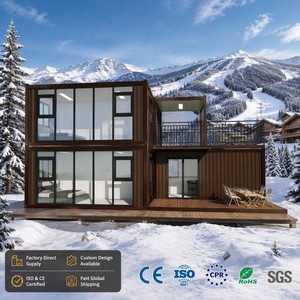
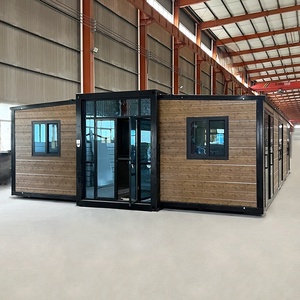
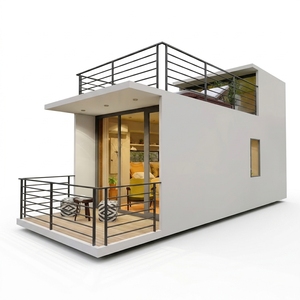
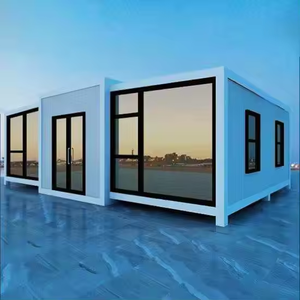
Aesthetic, glass-clad modular units deployed as sales pavilions, temporary medical clinics, accessory dwelling units (ADUs), and boutique hotel modules in tourist centers like Cartagena's historic periphery and the Coffee Region.
4. Freight Optimization: Reducing Ocean Logistics Costs to Colombian Ports by up to 80%
Logistics to South America represents a substantial percentage of total capital expenditure for imported building systems. Standard fully assembled modular cabins create massive freight inefficiencies because buyers pay to ship empty interior volume ("shipping air").
Our proprietary 4-in-1 Foldable Container Cabin System solves this economic barrier. Through precision hinge engineering and collapsible roof/floor cassettes, four folded site cabin modules collapse into the exact ISO dimension footprint of a single 40ft High Cube container (40ft HC). Key logistics advantages for Colombian importers include:
- Drastic Ocean Freight Reduction: Transport 4 fully functional 20ft site cabins inside one 40ft shipping container, directly cutting per-unit sea freight rates from Asian or global manufacturing hubs to Colombian ports (Cartagena, Barranquilla, or Buenaventura) by up to 80%.
- Simplified Inland Trucking (Transporte Terrestre en Colombia): Once cleared through customs, folded modules can be transported via standard flatbed trucks through restricted mountain passes (such as La Línea pass connecting Bogotá to Cali/Buenaventura) without requiring expensive oversized load permits (permisos de carga extradimensionada).
- Rapid Unloading & Staging: Units are equipped with ISO standard corner castings, enabling standard site cranes, telehandlers, or 5-ton forklifts to unload and position modules without complex rigging equipment.
5. Industry Trends: Green Building Certifications & Modular Shift in Colombia
The Colombian construction market is rapidly aligning with international ESG (Environmental, Social, and Governance) targets and LEED green building standards. The National Development Plan increasingly favors sustainable, circular construction methods that minimize environmental disturbance in sensitive biomes.
Our CE Certified modular cabins directly support these green initiatives:
- Zero On-Site Waste: Factory fabrication ensures precise material optimization. On-site assembly produces virtually zero construction waste, scrap metal, or concrete sludge—protecting local water tables in sensitive mining concessions.
- Energy Efficiency & HVAC Sizing: High-R thermal envelopes reduce interior cooling loads in hot regions like Barrancabermeja by up to 35%, allowing smaller solar PV arrays or lower generator capacity to power camp facilities off-grid.
- 100% Recyclable Steel Structure: At the end of a project's 20-to-25-year lifecycle, the heavy-gauge structural steel components are fully recyclable, preventing long-term site abandonment penalties.
6. Manufacturing Capability & Enterprise Quality Control
Unlike trading entities or local brokers who outsource production to disparate workshops, our manufacturing ecosystem is centralized within a state-of-the-art 500,000 square foot factory hub operating since 1998. Our quality assurance framework guarantees consistency across high-volume unit orders:
- Automated Laser Cutting & Robotic Welding: Structural steel profiles are cut with millimeter precision using CNC fiber lasers and joined by automated welding robots to guarantee structural seam integrity compliant with EN ISO 5817 welding standards.
- Multi-Stage Surface Treatment: Steel components undergo automated shot-blasting to SA 2.5 cleanliness standards before receiving electrostatically applied primer and powder coat finishes to lock out oxidation.
- Factory Pre-Installation of Utilities: Electric wiring (CE standard flame-retardant copper wiring), LED lighting, distribution panels, and sanitary plumbing fixtures are pre-installed and pressure-tested inside factory walls before packing, cutting field assembly labor by over 70%.
How many foldable site cabin units fit inside one 40ft High Cube container for shipping to Colombia?
+
Our engineering design allows four (4) fully folded 20ft site cabin units to stack into the exact exterior dimensions of a single standard 40ft High Cube container. This reduces ocean freight costs to major Colombian ports (Buenaventura, Cartagena, Barranquilla) by up to 80% compared to shipping rigid fully-assembled modular containers.
What custom duties, DIAN regulations, and documentation apply when importing prefab cabins into Colombia?
+
Importing prefabricated modular buildings into Colombia typically falls under HS Code 9406.90. We provide a complete export documentation bundle including Commercial Invoice, Packing List, Bill of Lading, Certificate of Origin (to leverage applicable trade tariff preferences), and CE Compliance Certificates (EN 1090-1 / EN 13241-1). These documents streamline customs clearance with the Dirección de Impuestos y Aduanas Nacionales (DIAN).
How do your site cabins comply with Colombian NSR-10 seismic standards?
+
Our cabins utilize high-ductility Q355B cold-formed structural steel moment frames certified to EN 1090 standards. This flexible steel framework effectively absorbs lateral ground movement and horizontal accelerations ($A_a \ge 0.35g$), exceeding structural drift requirements for high seismic risk zones such as Santander, Eje Cafetero, and the Pacific region under NSR-10 guidelines.
What type of foundation preparation is required on Colombian soil types?
+
Because structural load is concentrated at the four corner castings, a full concrete slab is rarely required. In soft Andean clays or coastal sands, site preparation simply requires simple concrete pad footings, perimeter concrete strips, or ground screw piles at the four corner support points. This dramatically reduces civil engineering costs and site preparation lead times.
How fast can a 4-person crew assemble a foldable site cabin once delivered to a remote location?
+
A standard 20ft foldable container office or living cabin can be completely expanded, leveled, weather-sealed, and connected to main power utilities within 3 hours by a basic crew of 4 workers using a crane or truck hoist. Complete assembly guides, torque specifications, and video tutorials are provided with every shipment.
Can these cabins withstand severe tropical humidity and salt corrosion along Colombia’s coastlines?
+
Yes. Cabins ordered for coastal regions (such as Cartagena, Puerto Bolívar, or Tumaco) receive marine-grade hot-dip galvanized structural steel chassis (275g/m² zinc) combined with high-build polyurethane C4 epoxy coating systems. Panel joints are sealed with UV-resistant EPDM gaskets to prevent saltwater spray ingress and structural corrosion.