Engineered for high shipping density, rapid site assembly, and structural durability under East Africa's climate conditions.
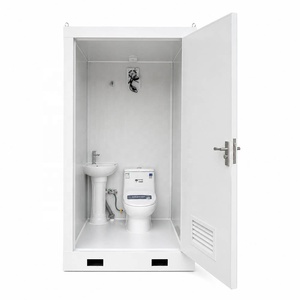
Self-contained modular ablution blocks with integrated plumbing, heavy-duty anti-slip flooring, and insulated EPS/Rockwool sandwich panels. Designed for fast deployment in Ethiopian commercial sites and public parks.
Get Catalog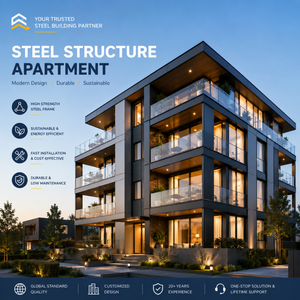
Multi-story modular residential apartments engineered with cold-formed structural steel framing. Provides fire-resistant, seismic-rated, cost-effective urban infill housing across Addis Ababa.
Get Catalog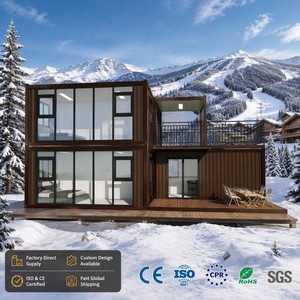
Tri-fold expandable modular container home expanding from a 20ft ISO transport width into a 37sqm fully functional residential dwelling with pre-installed electrical wiring and sanitary fixtures.
Get Catalog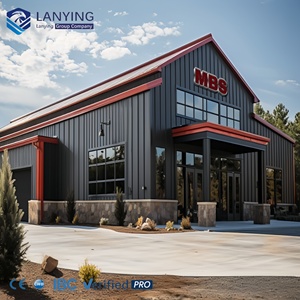
Clear-span pre-engineered steel structure warehouse ideal for Ethiopian agricultural storage, coffee processing logistics hubs, and industrial park manufacturing workshops.
Get Catalog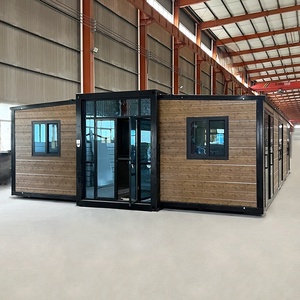
Versatile mobile living and office module featuring heavy-duty galvanised steel chassis, double-glazed PVC/Aluminum windows, and thermal wall cassettes optimized for high altitude weather.
Get Catalog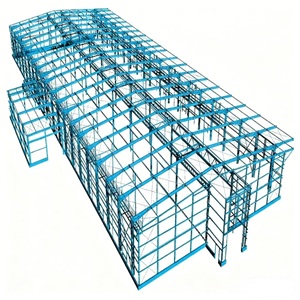
Modular flat-pack kit with integrated roof and base frame. Offers max shipping density by fitting up to 4 complete units inside one 40ft High Cube shipping container.
Get Catalog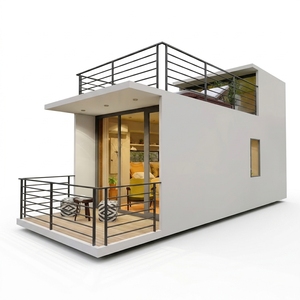
Premium light gauge steel (LGS) two-story villa engineered for modern residential estates, eco-resorts, and diplomatic housing projects across Hawassa and Bishoftu.
Get Catalog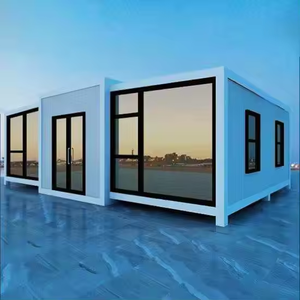
Architectural-grade modular luxury villa kit featuring composite wood exterior cladding, floor-to-ceiling panoramic glass walls, and customized master suite configurations.
Get CatalogAs East Africa's fastest-growing economy expands its industrial parks, infrastructure corridors, and urban residential footprint, traditional masonry construction faces severe headwinds including soaring material costs, extended build timelines, and supply chain bottlenecks.
Chinese container house manufacturers provide a high-efficiency alternative.
By shifting up to 90% of the construction workflow into controlled factory environments in China, developers and contractors operating in Ethiopia can secure absolute cost predictability, overcome local skilled-labor shortages, and achieve site commissioning in days rather than months.
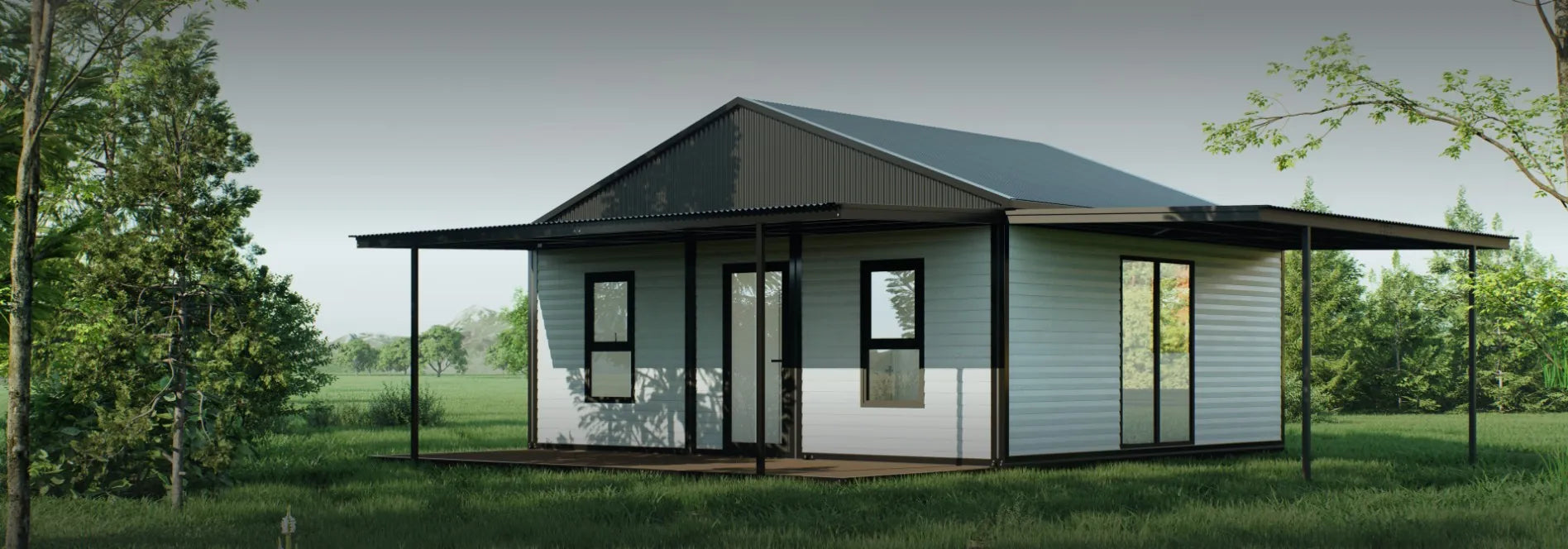
Ethiopia presents a unique geographical spectrum—from the temperate, high-altitude sub-tropical climate of Addis Ababa (2,350 meters above sea level) to the arid, high-temperature lowlands of the Afar Region and Dire Dawa. Standard off-the-shelf temporary shelters frequently fail under these localized extreme stresses. Superior OEM modular factories engineer specialized structural modifications:
Addis Ababa experiences high ultraviolet exposure and severe diurnal temperature fluctuations (cool nights and warm daytime solar load). Our sandwich panel cassettes utilize high-density polyurethane (PU) cores ($40\text{ kg/m}^3$) or high-density Rockwool ($120\text{ kg/m}^3$) with fluorocarbon (PVDF) coated structural steel skins to prevent fading, chalking, and thermal bridging.
Much of the Ethiopian rift plateau is dominated by vertisols ("black cotton soil") which swell dramatically during the wet winter months (*Kiremt*) and shrink in dry seasons. Rigid concrete masonry frequently cracks. Our light steel modular chassis distributes point loads across concrete strip footings or screw-pile foundations, accommodating ground heave without structural joint failure.
Selected regions along the East African Rift System carry seismic activity hazards. Our container modules feature cold-formed Q235B/Q355B galvanized steel main beams welded to ISO corner castings, delivering seismic resistance up to Grade 8 and structural wind load capacity up to $120\text{ km/h}$.
From industrial park expansion to agricultural logistics, modular container infrastructure delivers purpose-built functionality.
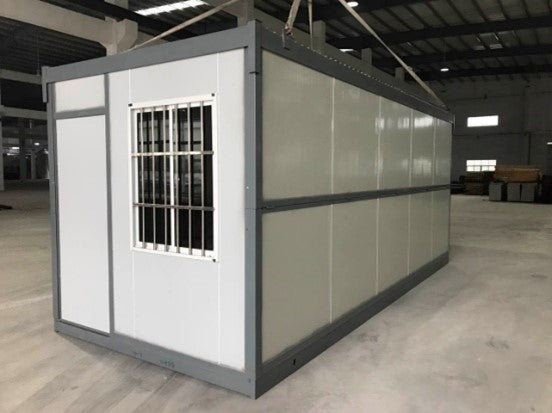
Ethiopia's flagship industrial parks—including Hawassa, Bole Lemi, Kilinto, and Kombolcha—require rapid administrative and operational expansion. Flat-pack and foldable container units are deployed as executive site offices, administrative quarters, security command checkpoints, and worker accommodation clusters.
Major infrastructure projects—such as road networks, railway corridors, and renewable energy developments in rural zones—demand modular accommodations that can move as the project progresses. Foldable container houses collapse back to 1/4th of their deployed height, allowing low-cost relocation across project phases.
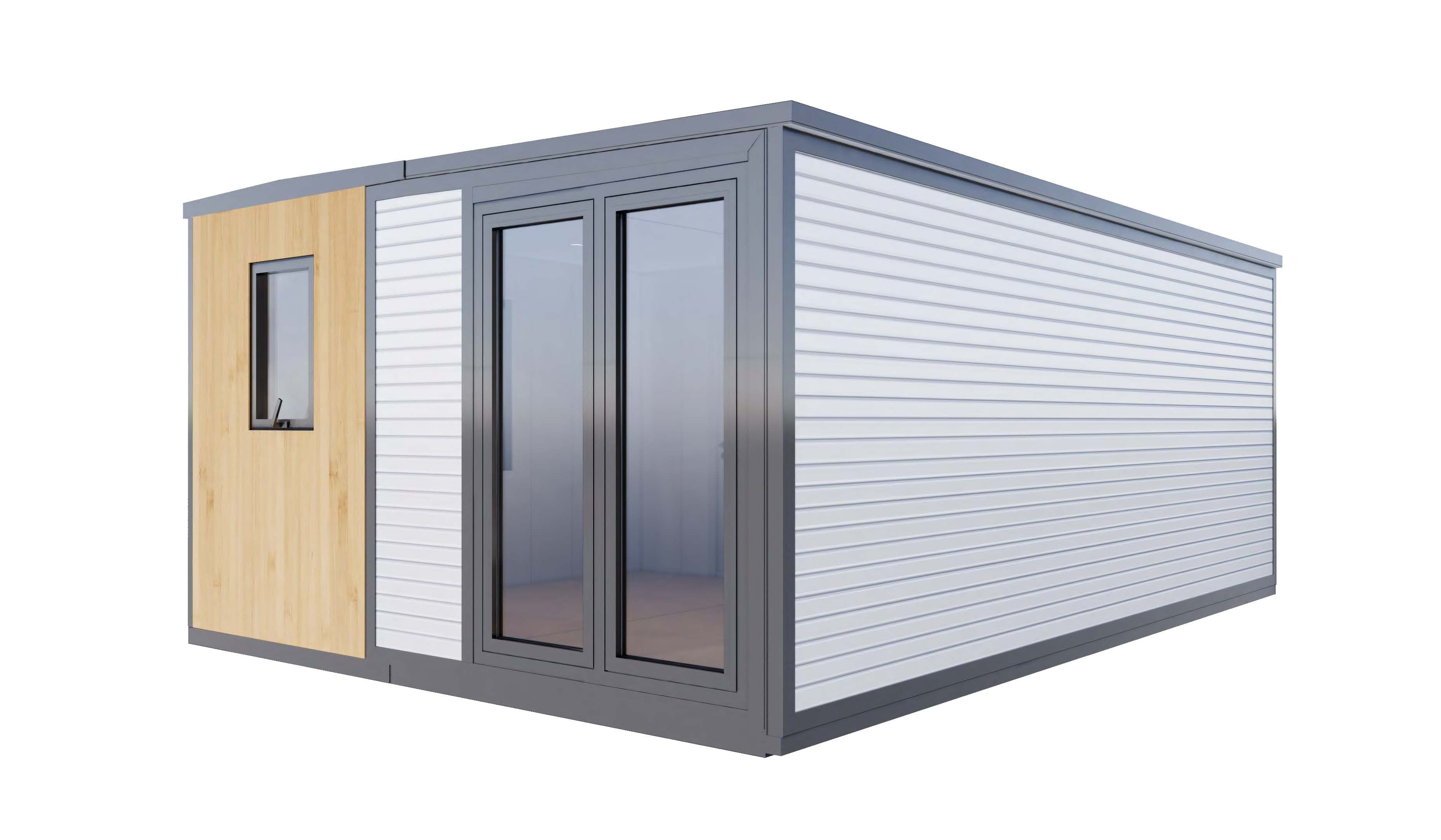
A side-by-side technical and economic comparison for project engineers, procurement managers, and real estate investors.
| Performance Metric | Expandable / Flat-Pack Modular | Light Steel Villa (LGS) | Traditional Concrete & Hollow Block |
|---|---|---|---|
| On-Site Assembly Time | 1 to 3 Days | 15 to 30 Days | 6 to 12 Months |
| Freight Density Savings | Up to 80% Reduction (4 units/40ft HC) | Moderate (Framing kit bundle) | Zero (Raw local freight heavy) |
| Foundation Requirement | Simple Concrete Pads / Strip Footing | Light concrete slab | Deep reinforced concrete foundation |
| Earthquake & Soil Heave Safety | Flexible steel chassis handles movement | High ductility steel frame | Brittle masonry prone to structural cracking |
| Labor Cost & Skill Level | Low (Basic tools, 3-4 un-skilled workers) | Medium (Specialized framing crew) | High (Masons, plasterers, rebar crews) |
| Relocatability & Asset Value | 100% Re-foldable & Movable | Demountable with labor | Permanent (Zero salvage value) |
| Thermal Insulation Efficiency | Pre-engineered PU/Rockwool ($U \le 0.35\text{ W/m}^2\text{K}$) | Cavity insulation ($U \le 0.40$) | Poor thermal mass ($U \ge 1.80$) |
Understanding customs clearing, freight density optimization, and landed cost efficiency for Ethiopian buyers.
For sea freight shipments arriving in East Africa, landlocked Ethiopia relies primarily on the Port of Djibouti maritime shipping hub, followed by overland heavy trucking via the Ethio-Djibouti corridor or railway to Mojo Dry Port and Addis Ababa. Packaging geometry dictates total freight cost.
Shipping fully assembled standard container cabins pays sea freight on "empty air". Our factory engineered flat-pack and 4-in-1 foldable container series collapses modules down to 1/4th height. 4 folded units lock together into ISO dimension corners, fitting inside a single 40ft High-Cube container.
Given foreign exchange allocation controls in Ethiopia, maximizing value per USD spent is paramount. Procuring raw components locally can lead to delays. Factory-direct purchasing bundles structure, insulation, windows, doors, electrical, and plumbing into a single standardized tariff HS Code shipment.
Since 1998, our 500,000 sq ft state-of-the-art production hub in China has manufactured high-precision modular buildings for international government tenders, commercial mining camps, and humanitarian housing programs.
Addressing technical specifications, customs, site assembly, and international logistics.
Our container houses are engineered with a 4-corner hidden internal gutter drainage system inside the main steel roof columns. Rainwater captured on the roof cassette is channeled downward through corner columns and discharged at base level. Roof panels feature double-poured polyurethane sealing gaskets and overlapping standing seam joints that prevent water pooling or leakage during torrential downpours.
Maritime ocean freight from main Chinese ports (Ningbo/Shanghai/Qingdao) to the Port of Djibouti takes approximately 18 to 25 days. Customs transit and highway container trucking from Djibouti to Mojo Dry Port or directly to your site in Addis Ababa typically adds 5 to 10 days. Total transit lead time is usually between 30 and 40 days.
Yes. Electrical conduits, circuit breakers, light fixtures, switches, and sockets are factory pre-installed inside wall panels according to Ethiopian electrical standards ($220\text{V}$, $50\text{Hz}$, Type C/F plugs). Water supply and drainage lines for wet-rooms feature standard PPR and PVC fittings, allowing direct connection to municipal water grids or local septic holding tanks.
Because structural loads are concentrated on corner posts, full concrete slab foundations are rarely required. Most Ethiopian clients utilize simple concrete corner pads, strip foundations, or raised steel stilts. Raising the unit 20–30 cm off the ground also prevents ground moisture damage and allows natural sub-floor ventilation.
Absolutly. While standard units come in 20ft and 40ft footprints, modules can be interconnected horizontally to form larger open-plan offices, or stacked vertically up to 3 stories. For high-end applications like resort villas or corporate headquarters, we supply architectural exterior cladding options including wood-plastic composite (WPC), metallic aluminum panels, and decorative cement board fascia.
We supply a full export documentation pack required by Ethiopian Customs authorities, including Commercial Invoices, Packing Lists, Certificates of Origin (CO), Bills of Lading (B/L), and mandatory SONCAP/SABER or ISO inspection certificates. Our technical engineering team provides exact HS Code classification guidance to streamline customs declaration.
Partner with China’s premier container house manufacturer. Request factory-direct wholesale pricing, structural engineering drawings, and complete freight quotation for your project location.
Get Catalog